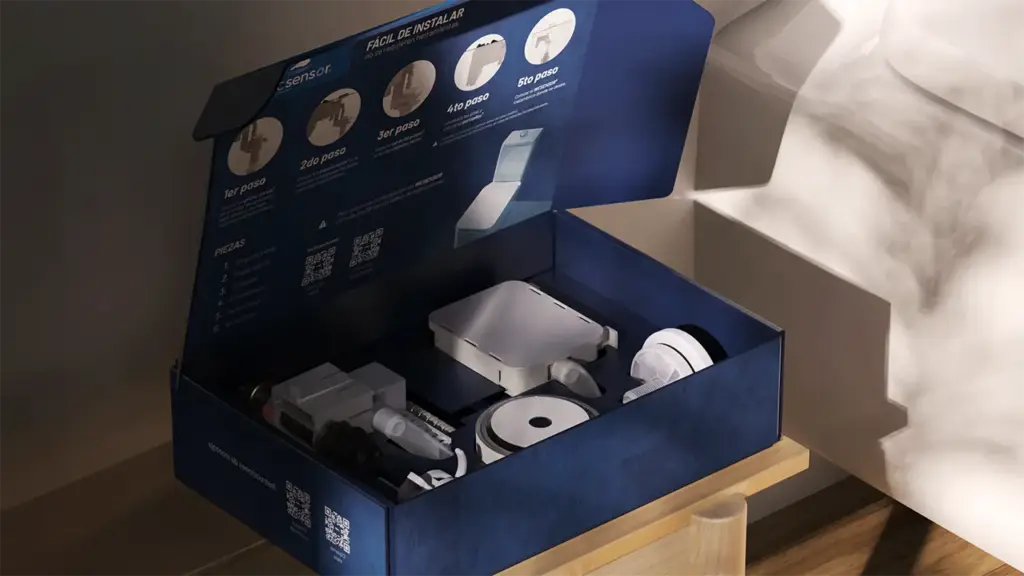
El packaging It’s about presenting a product and making a strong first impression on the consumer. It’s the perfect combination of form and function, designed to captivate, protect, and communicate a brand’s values.
Explore in this article the different types of packaging, The phases of the design process and the key aspects to consider!
What is the Packaging?
El packaging It’s the packaging that protects, contains, and identifies a product. From the box protecting a mobile phone to the bag preserving the aroma of freshly ground coffee, the packaging plays an essential role in the user experience and in the perception of the brand.
Types of Packaging In Product Design
There are three types main points packaging:
- Packaging Primary: It’s the immediate packaging of the product – meaning it has direct contact with it. For example, the plastic bottle containing mineral water, or the glass jar holding jam. The design should functional and appealing, Because it has a direct impact on the user’s experience with the product.
- Packaging Secondary: It refers to the packaging that groups and protects multiple individual products. A common example is a cardboard box containing several packs of biscuits. This type of packaging It often includes Additional information, Such as instructions for use or ingredients.
- Packaging Tertiary: It’s packaging for transport and storage, designed for protect and facilitate The transport of large quantities of goods. This may involve pallets, cardboard boxes, or plastic containers. While it’s not intended for the end consumer’s view, it remains important in distribution and logistics process.
Steps for Designing Product packaging
El design process packaging It requires careful consideration and a deep understanding of the customer, the brand, and the product. What is your target audience? Where will your product be sold? Who is your direct competition? What values do you want your brand to communicate?
- Research and Analysis: First, begin by understanding the product itself, its target market, and the competition. Analyze current trends and consumer expectations.
- Conceptualization and Creativity: Generate creative ideas that reflect the brand’s identity and Connect emotionally with the consumer.. Explore different materials, forms, and colors!
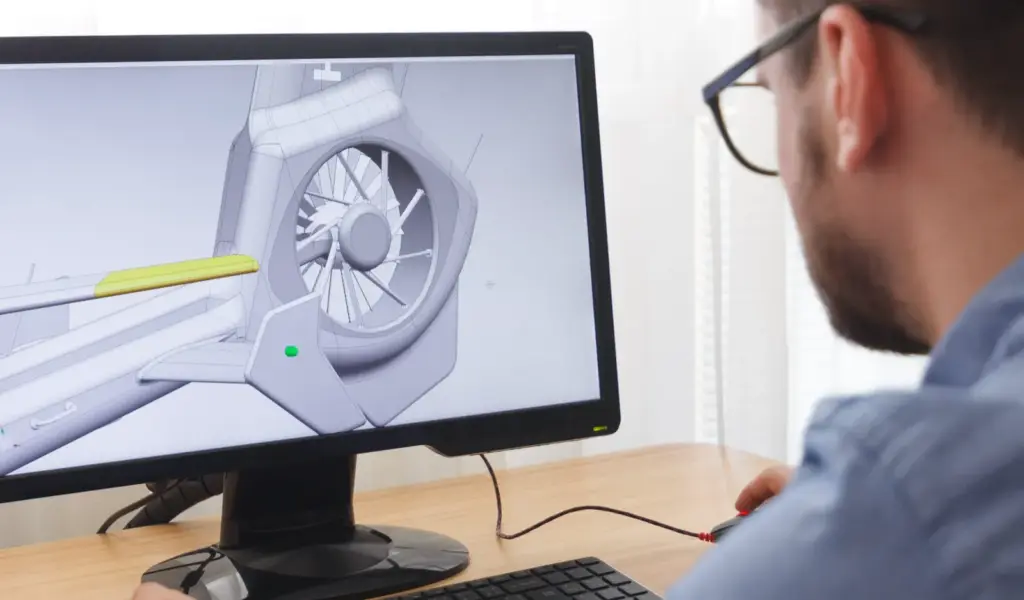
- Design and Prototyping: Use design software to create virtual models of packaging. Conduct tests and prototypes Physical tests to evaluate functionality and aesthetics.
- Testing and Feedback: Conduct usability and market testing to gather feedback from consumers. Adjust the design as needed to meet customer needs and expectations.
- Production and Implementation: Finally, coordinate with manufacturers to produce the packaging On a large scale. Ensure that the design is accurately translated into the final product.
Things to Consider When Designing Packaging
- Functionality: The packaging It should protect the product and make it easy to use, therefore it must be easy to open, close, and dispose of without compromising the product’s integrity.
- Visual appeal: The design of packaging It should capture the attention of the consumer and communicate the brand’s values. The colours, typography, and graphics should be consistent with the brand’s identity and appealing to the target audience.
- Sustainability: Whenever possible, use recycled materials and minimize the use of plastics and other non-biodegradable substances.
- Clear and concise information.: The packaging You must provide relevant information about the product, such as ingredients, instructions for use, and expiry date. This information should be presented in a clear and readable manner.
- Differentiation: The packaging It should stand out on the shelf compared to the competition. Seek out unique elements that make your product unforgettable for the consumer.
i-mas, Your Product Design Company in Barcelona
In summary, the design of packaging It is a crucial element in product development, and in i-mas We understand that completely.
From our headquarters in Barcelona, we create packagings that reflect the essence and quality of the brands we work with. We are committed to prioritizing aesthetics and ergonomics and sustainability in every project, thereby offering a complete and satisfying experience for the end user.
Do you want to learn more about how we can help you stand out with our product design and development services?