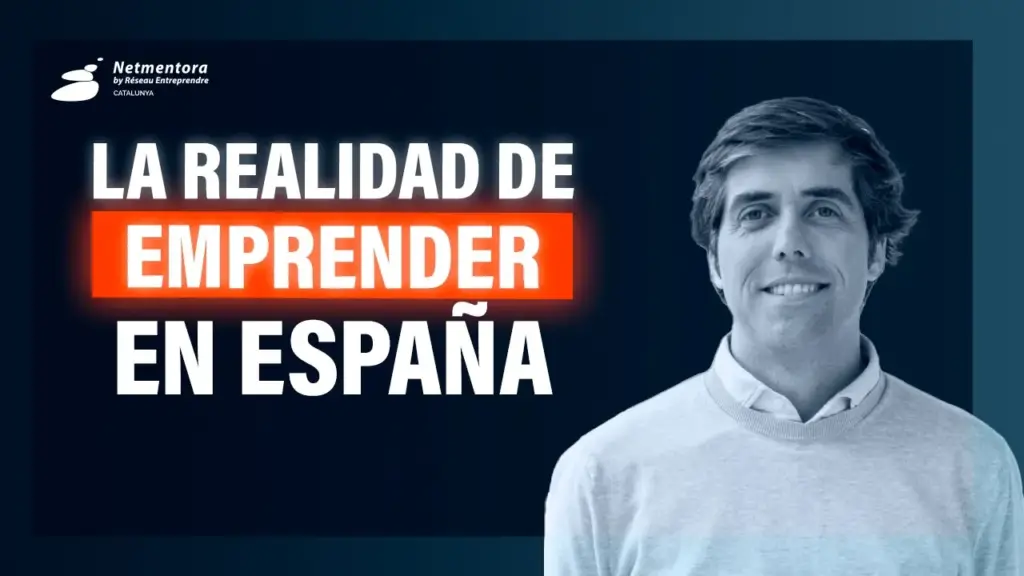
Mentorship for product entrepreneurs provides a space to discuss decisions with individuals who have built businesses. Alejandro Ribó, from Netmentora, explains in chapter 11 of Toque de Ingenio how guidance and a network of experience can help to reassess priorities. The conversation connects business learning with useful questions for anyone developing a solution and seeking to bring it to market.
Guest Alejandro Ribó Company or organization: Netmentora
Interview published: May 23, 2024. Episode: 11. Duration: 1 h 27 min.
In this episode:
- What does mentorship contribute to an entrepreneur’s decision-making process?
- How to learn from experiences that didn’t turn out as hoped.
- Why a complementary network helps to differentiate products, equipment, and the market.
Talking about what didn’t work also provides valuable insight.
Alejandro begins by sharing his entrepreneurial journey and the difficulties he encountered while attempting to maintain various projects. The conversation presents learning as a part of the entrepreneurial experience, without treating every attempt as a success story.
Reviewing a project allows you to separate the decisions, circumstances, and outcomes involved. This kind of analysis can help to identify questions a team hasn’t yet considered – such as how to sell it, what needs to be delivered, and with whom the work can be carried out.
For those involved in hardware development, the experience of others doesn’t replace technical testing, but it can guide what’s most important to check before increasing investment. Both the market and development stand to benefit from a review that highlights uncertainties.
Mentoring as a structured conversation.
Alejandro describes mentoring as a process of exchange where the entrepreneur brings up the topics they want to discuss. Its effectiveness depends on identifying a specific challenge and exploring it from different angles.
“The topics that you want to discuss, the subjects you wish to address”.
Alejandro Ribó 52:40.
Preparing the meeting helps to make the most of it. A team can explain what they’ve tested, what results they’ve obtained, and which options they need to decide between. This information allows the board to relate to the actual status of the project.
In the product development, This type of conversation might focus on the priority of the next prototype, the target user, or the order of the phases. The technical decision should ultimately be based on requirements and evidence from the project itself.
A network of experience complements the team.
The guest describes how connecting with other professionals enabled them to learn about the product, company culture, suppliers, and working relationships. The network isn’t just about securing funding or simply accumulating contacts.
“Learn from people”.
Alejandro Ribó 42:14.
Needs evolve depending on the stage. A company may require a commercial perspective when validating demand and an understanding of operations when preparing deliveries. Identifying this difference helps in seeking the appropriate expertise for each question.
A diverse network also makes it easier to challenge assumptions. Someone familiar with a different sector can recognize a distribution or service difficulty that the team, focused on its technology, hasn’t yet considered.
To accompany the person making the decisions.
Alejandro explains Netmentora’s approach and the value it offers to entrepreneurs. The interview describes a supportive system based on shared experience and a community comprised of individuals with diverse profiles.
The details regarding access, selection, and operation shown in the video are from May 2024. This article focuses on the preparation and use of mentoring, without presenting any current calls for participation.
The person leading a project needs to combine technical expertise, business decisions, and coordination. Having a space where these issues can be organized can help prevent them from all blending into a single feeling of urgency.
Connecting product validation with company validation.
Edgar brings a perspective on hardware projects and companies that have grown by reinvesting. Alejandro shares experiences from other journeys. The conversation highlights that not all businesses follow the same process.
In a physical product, the functional prototypes They are used to assess various aspects of the design. Mentorship can help to position this test within the business project: what decision it will allow to be made, and what commercial conditions remain open.
Separate demonstrations, a first sale, and manufacturing capacity are all distinct pieces of evidence. Organizing them prevents the need to request a single test that would need to answer all questions at once.
Seeking assistance with a specific area or focus.
The interview highlights the importance of asking questions and learning through conversation. To turn this intention into a practical action, the team needs to be able to explain what they require and what specific tasks each specialist is responsible for.
El External engineering support These two collaborations can complement existing skills during development. Mentorship, in particular, offers a valuable contrast to business decisions and the overall journey. Both of these collaborations are most effective when clear expectations are established.
The aim is for the entrepreneur to retain control over their decisions and to have better tools for making them. External experience should be a source of questions and judgment, not a guarantee of results.
Questions about mentoring for product entrepreneurs
What should you bring to an entrepreneurship mentoring session?
A specific decision or challenge, along with the relevant context and any tests performed. This allows for a dialogue to produce useful observations for future action.
Does a mentoring program replace product technical development?
No. It can help with prioritizing and comparing the approach, but the actual operation requires specifications, prototypes, and validation of the project itself.
Why would you look for different profiles within a network?
Because needs evolve across different areas – market, team, development, and operations. Complementary experience allows for a review of assumptions from a different perspective.
Four key takeaways from the chapter.
- Difficult experiences also raise useful questions.
- Preparing the problem improves the quality of the support.
- The network must respond to the needs of each phase.
- The technical and commercial evidence are complementary.
From learning to product development.
In i-mas, we handle the technical aspects of bringing a product to market: requirements, design, prototyping, and manufacturing preparation. If you need to organise the development of your product Tell us what stage you’re at..
You can also read. Validation of startups with Christian Rodríguez.
Source: Original interview from Toque de Ingenio, published on YouTube on May 23, 2024. The experiences, figures, and plans discussed in the interview are reflective of that specific time. The references to i-mas services are the editorial analysis of the article.