In a world where the line between the physical and digital is becoming increasingly blurred, the product design Intelligent products can no longer simply be defined by their form, material, or mechanical function. Today, a product that integrates connectivity or digital features requires something more: an intuitive, consistent, and satisfying user experience.
Integrate UX/UI design In the process of product design and development It has become a crucial step in developing truly competitive solutions. Particularly in connected products, IoT or wearables, success isn’t just about the hardware; it depends on the user experience, from the very first time they turn it on to their everyday use.
Physical design and digital experience: an inseparable relationship.
El Industrial design and UX/UI design. They have traditionally evolved along separate paths. While one focuses on ergonomics, materials, and manufacturability, The other one focuses on navigation, interaction, and information architecture. However, in products such as a smart thermostat, a fitness tracker, or a connected medical device, both worlds must work in perfect synchrony.
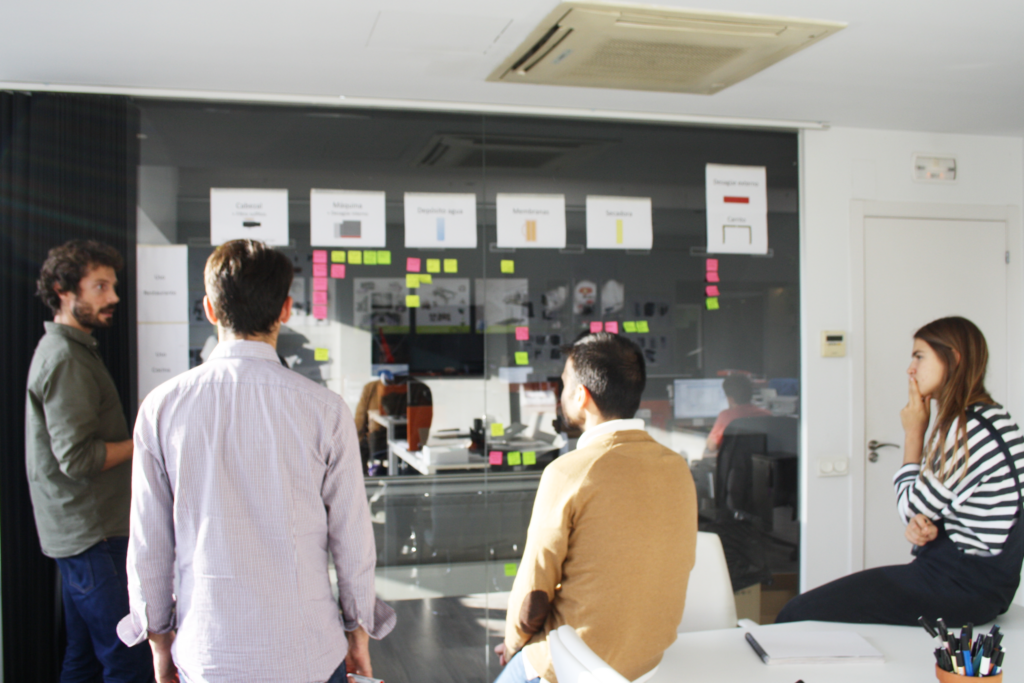
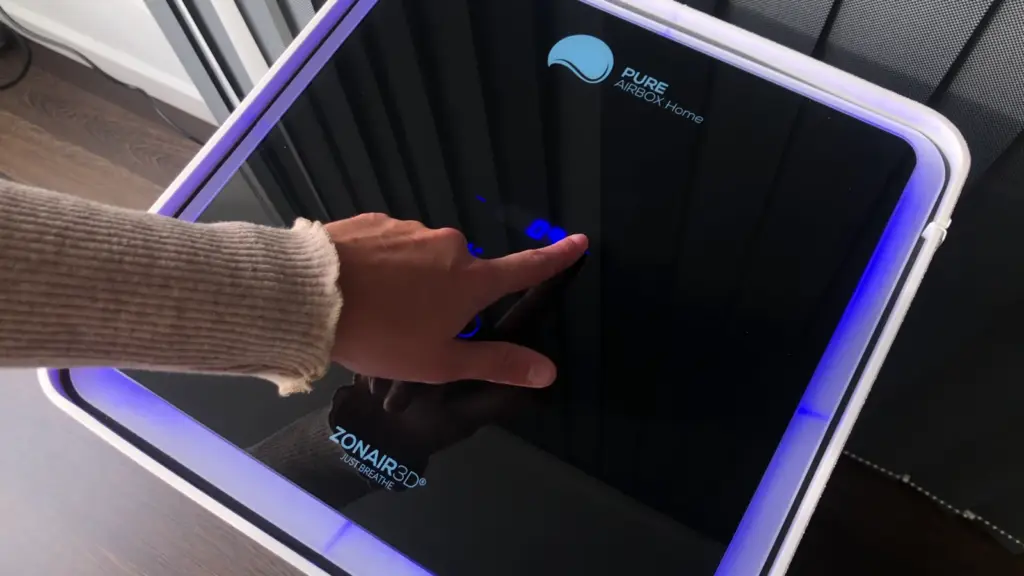
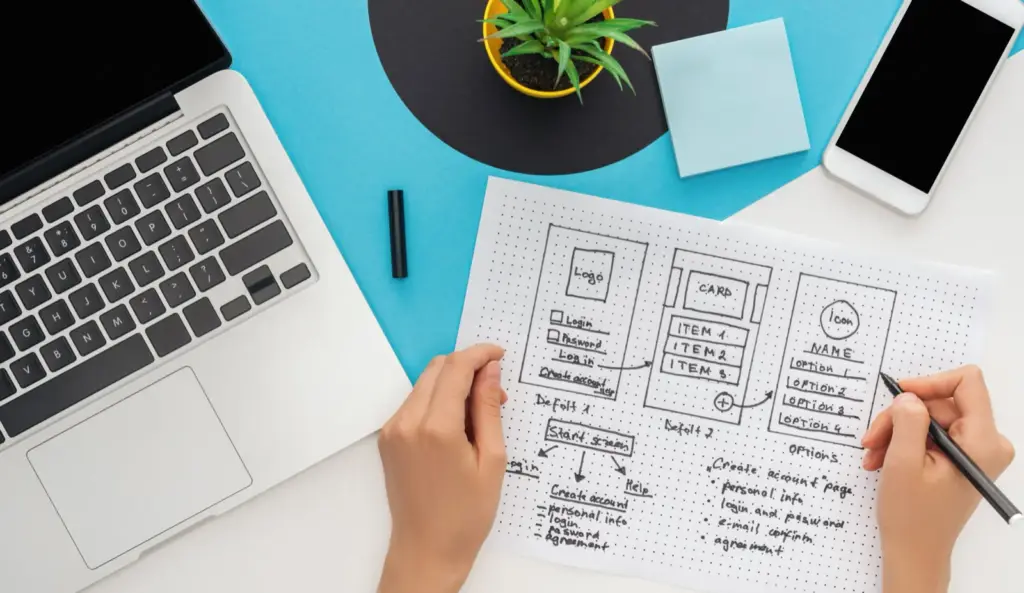
During the initial stages of product design and development, It’s vital to define how the user is expected to interact with the system. This includes not only what is displayed on the screengraphical interface), as well as the physical gestures, sounds, lights, or tactile responses generated by the product. This approach requires a re-evaluation of prototyping: It’s no longer enough with just a physical prototype; it’s necessary to develop wireframes, interactive mockups, and even prototype functional that simulates real-world usage and allows for testing the digital experience alongside the physical design.
Adapt the interface to the device and its context.
El graphic user interface design It needs to be adapted to the type of device, its size, resolution, and usage conditions. It’s not the same to design for a touchscreen in an industrial environment as it is for a consumer app. The choice colors, typography, icons, and hierarchies It should be done with an emphasis on accessibility, context, and clarity.
Las Product design companies working on projects with an interface must be able to develop consistent visual systems that work on both the enclosure and the screen, integrating the product’s visual language with its digital environment. This visual and functional integration strengthens the product identity and improve the user experience.
Comprehensive prototyping: both physical and digital, on the same level.
Los prototypes For products that are connected, testing should include assessments of both the physical component and the digital environment. In many cases, development boards, beta apps, or even simulation platforms are used to validate the entire experience.
The ability to build prototype functional Having the same connectivity, interface, and behavior as the final product is crucial for iterating, improving, and validating the concept with real users before moving to manufacturing. This approach prototyping Integration enables error reduction, improves the user experience from the outset, and shortens development times.
Success story: Light Cube, a premium connected experience.
A clear example of integration between product design, UX/UI, and technology It’s the project. Light Cube, Developed by i-mas. This is an interactive and intelligent ice bucket, designed to enhance the user experience in VIP areas of nightclubs, enabling interaction between customers and with service staff.
Starting from the aesthetic design created by the agency Propelland, in i-mas we took on the challenge of developing all the engineering, the prototyping, Electronics, embedded software, and graphical user interface design. The result is a product that not only fulfills its primary function, but also elevates the level of interaction and impact in premium leisure environments.
This case demonstrates how Product design companies that incorporate disciplines from the outset – including UX/UI design— they can develop solutions that stand out not only for their functionality, but also for the experience they provide.
Ultimately, we can say that product design Today requires a holistic approach. It’s no longer just about producing a functional or aesthetically pleasing piece; it’s about creating smart products that offer a seamless, intuitive, and consistent experience. The Product design companies that understand this new reality and work from the concept stage with teams specialising in UX/UI design Those with integrated solutions will have a clear competitive advantage.
Because experience isn’t designed at the end – it begins from the very first sketch, from the very first prototype.
Discover how we can help you take your project to the next level. Contact us and takes the first step towards innovation.