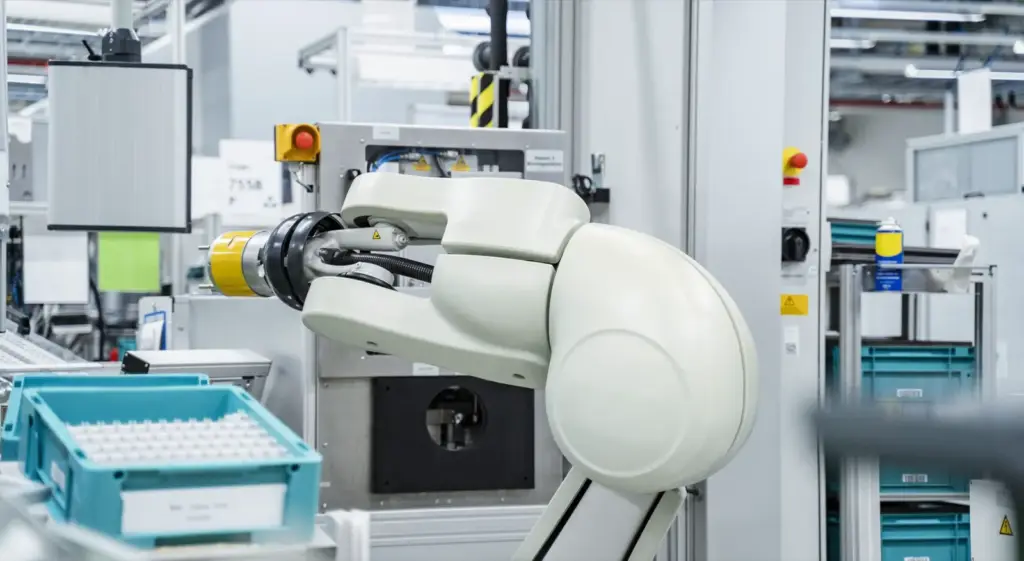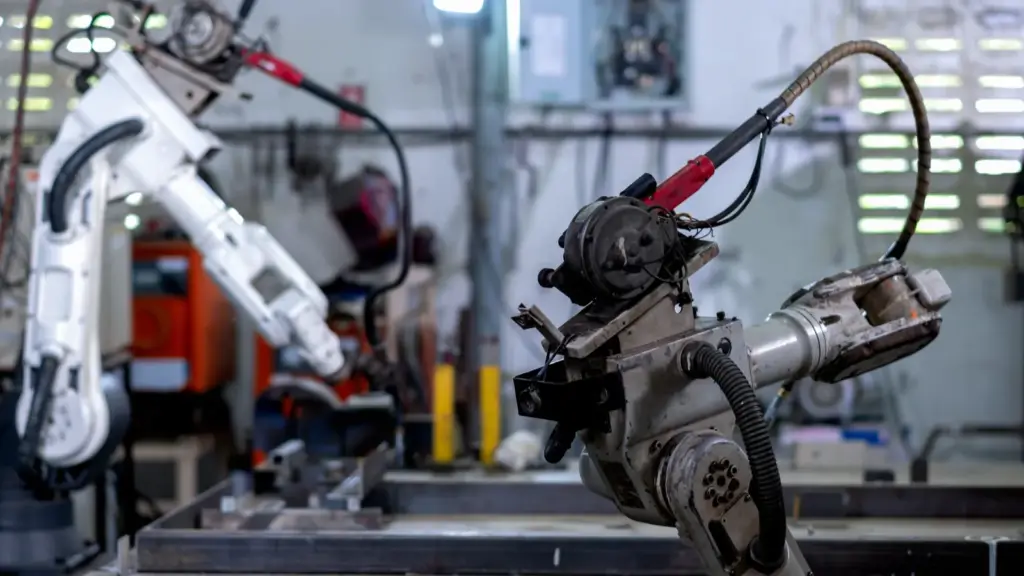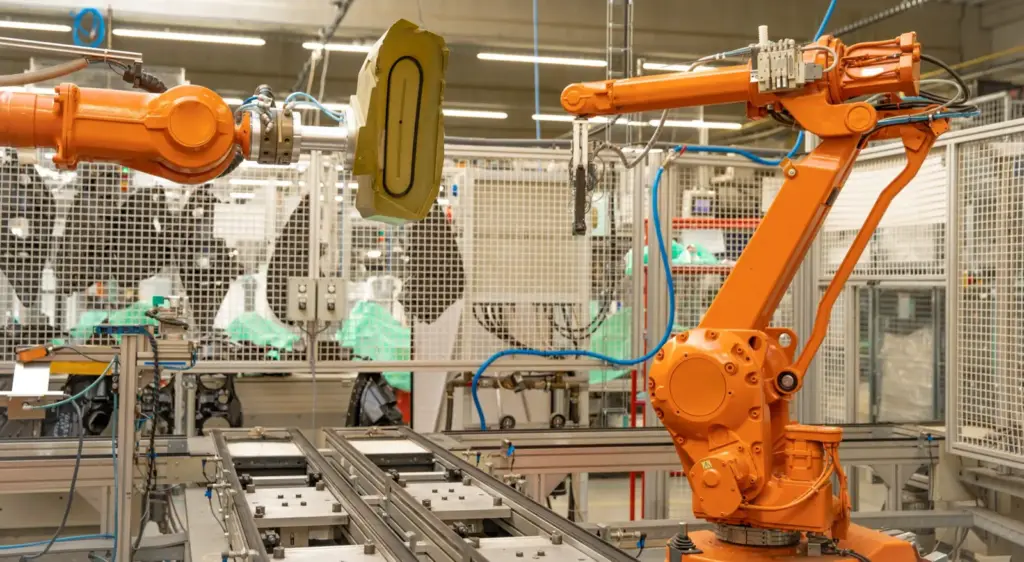
La Industrial robotics in 2026 is entering a new stage. For years, the Industrial automation It has focused on incorporating. robots Capable of repeating movements with speed and precision. However, the real change isn’t just in the robot itself, but in its ability to perceive, decide, and adapt autonomously.
La A combination of machine vision, artificial intelligence, sensors, software, and connectivity. It’s transforming traditional robotized cells into genuine autonomous systems. The aim is no longer simply to move a piece or execute a sequence, but to understand what’s happening within the process and to react in real time.
The new era of industrial robotics: from programmed robots to autonomous systems.
The majority of Industrial robots iSo far, the installations are functioning based on closed sequences. They are designed to always perform the same task in a controlled environment with minimal variation.
The problem arises when the references, the positioning of the components, the production rate, or the environmental conditions are altered. In these cases, the robot Stop being so efficient, or you’ll need a complex re-evaluation.
Because of this, one of the major trends of Industrial robotics in 2026 This is the step towards systems capable of adapting automatically. Thanks to the integration of Industrial machine vision, 3D cameras, force sensors, and AI algorithms, The robot can identify each piece, adjust its trajectory, and decide what action to take, all without constant human intervention.
This is particularly relevant in sectors with high variability, such as food, logistics, or automotive.
The combination of robotics, machine vision, and artificial intelligence.
The evolution of Intelligent industrial automation It depends on the integration between different technologies. The robot stops being a standalone element and becomes part of a much wider system.
La machine vision allows for the location of parts, the detection of defects, the interpretation of the environment, or the verification of quality in real time. Artificial intelligence, On the other hand, it provides the ability to learn from data and make decisions when the process changes.
For example, in a production line, a self-governing system It can automatically detect a misplaced component, adjust the robot’s path, and continue working without interrupting production. Furthermore, it can identify a visual defect, move the component aside, and adjust parameters to prevent the error from recurring.
By 2026, this integration is moving beyond being a technology exclusive to large companies. The reduction in costs cameras, sensors, and software is enabling an increasing number of small and medium-sized businesses to incorporate solutions of Industrial robotics with artificial intelligence..
Mobile robots and autonomous systems: the next revolution in manufacturing.
Another major trend of the Industrial robotics in 2026 It is the growth of Mobile robots, or Autonomous Mobile Robots (AMRs).
Unlike Traditional Automated Guided Vehicles, … who follow set routes, the AMR They use maps, sensors, and vision to navigate the factory autonomously. They are able to avoid obstacles, change their routes, and coordinate with other equipment.
This is transforming processes such as the transport of materials, the feeding of lines, and internal logistics. Furthermore, when AMR (Automated Maintenance and Reporting) are combined with Robotic arms and vision systems, These cells appear to be completely autonomous, capable of moving, identifying a piece, and performing operations without human intervention.
The trend for the coming years points towards factories with multiple autonomous systems Work in a coordinated manner, sharing real-time data and continuously adapting to production needs.
The challenges of implementing autonomous systems in industry.
Although the potential of the autonomous industrial automation It’s enormous, implementing systems like this still presents significant challenges.
The first is integration. A standalone system needs to connect. robots, PLCs, machine vision, control software, ERP, and production systems. If these elements aren’t properly integrated, errors, downtime, and a loss of efficiency will occur.
The second challenge is the flexibility. Many companies continue to design highly rigid cells, intended for a single product or process. However, the autonomous systems They only offer value if they are able to adapt to changes in reference, volume, or configuration.
Finally, there’s a challenge. Related to the data.. In order for Artificial intelligence It needs to function correctly, and it’s essential to have reliable and high-quality information. Without sufficient data, the system cannot learn or make accurate decisions.
I-MAS: designing autonomous systems for real-world industry.
In i-mas We develop projects of Industrial automation, machine vision and Industrial robotics Starting from the reality of each individual plant. We analyze how people, machines, materials, and data interact, in order to design solutions that are adaptable and capable of evolving.
This allows us to create from flexible robotized cells until autonomous systems integrated with cameras, sensors, software, and industrial control. Solutions designed not only to work effectively today, but also to remain useful as products, volumes, or processes change.
Because the future of the industry doesn’t lie in simply adding more robots, but in building smarter, more connected systems capable of making real-time decisions.
Want to explore how to apply these solutions in your plant? Get in contact With us, or explore some of ours. projects.