
Product Design in Small Spaces

Tabla de contenidos

The  design of products  for small spaces has become key with the increase in urbanization and the trend toward smaller spaces and homes. 

In this article, we explore the main aspects to consider, as well as strategies for designing effective and functional products for small spaces. 

  1. Understanding User Needs

The first step is to thoroughly understand the needs of users, not only those living in small houses but also those who move and work in environments where space is limited, such as small supermarkets or compact offices. These people are looking for products that not only save space, but also improve their efficiency and comfort

How to do it: 

  • Conduct Market Research: Surveys, interviews, and case studies can provide valuable insights into user needs. 
  • Observe the environment: Analyze how people interact with the space. This helps us identify practical solutions they already use and to think about potential improvements. 
  • Create User Profiles: Develop profiles that represent the different types of users who will use the product. 

  1. Multifunctional Design

Multifunctional products are key to optimizing space in small areas. By designing products that can perform multiple tasks, the use of available space is maximized. 

Effective Strategies: 

  • Convertible products: Tables that convert into desks, sofas that transform into beds, and chairs that fold up for easy storage… or hammocks that convert into strollers! 

  1. Efficient Use of Storage

Smart storage is crucial in small spaces. Designing products that offer efficient storage solutions can transform a small space into a functional and organized one. 

  1. Compact and Portable Design

In small spaces, every inch matters. Designing compact and portable products allows users to maximize their space without sacrificing functionality. 

Key Elements: 

  • Reduced Dimensions: Minimize the product dimensions without compromising functionality. 
  • Lightweight: Design products that are easy to move and rearrange as needed. 
  • Foldable and collapsible design: Products that can be folded or taken apart when not in use, freeing up valuable space, are a must. 

  1. Aesthetics and Functionality

We believe that design for small spaces shouldn’t sacrifice aesthetics for functionality. Products should be visually appealing and complement the user’s environment. 

Design Considerations: 

  • Minimalist Style: Opt for clean and simple designs that don’t visually overload the space. 
  • Aesthetic Cohesion: Ensure that the products integrate well with the brand and space style. 

i-mas, Your Product Design and Development Company in Barcelona 

At i-mas, we are passionate about helping our clients turn their ideas into tangible and impactful products. Some notable examples of  product design  for small spaces include: 

BRAVO, a shopping cart designed to optimize space and movement in small retail areas by incorporating multifunctional features that enhance the user experience.  

Multipurpose Hammock: A 2-in-1 product that combines the comfort and stability of a hammock for resting with the ease and versatility of a cart for transporting products and other objects when folded. This smart and versatile design is a perfect example of how we combine comfort and functionality in our designs, as well as optimizing space.


Are you looking for a company specialized in product design and development? Contact us today and discover how we can help you take your ideas to the next level!

Ver más

VER TODOS

be·ia

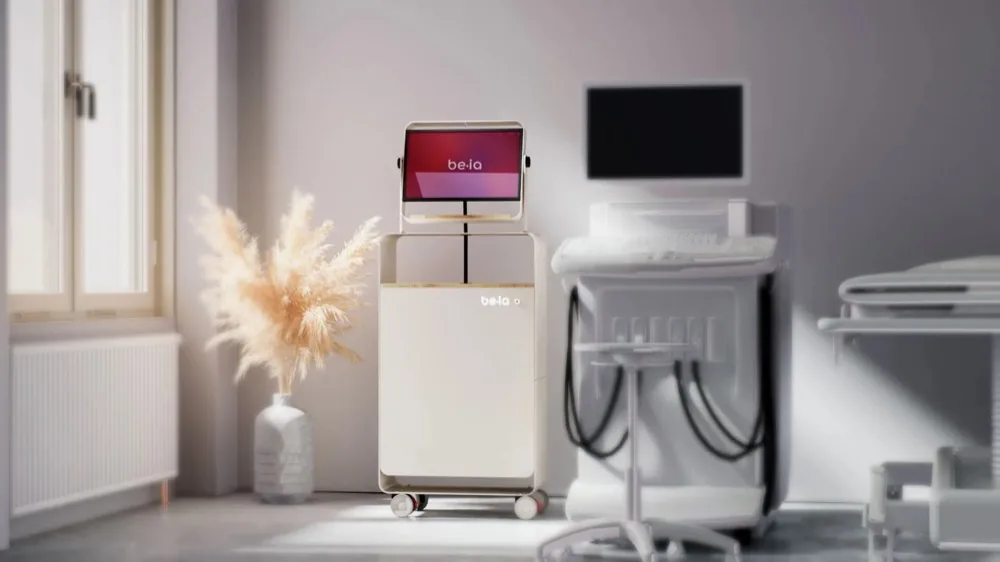
Equipo compacto que genera imágenes 5D hiperrealistas en tiempo real, mediante inteligencia artificial.